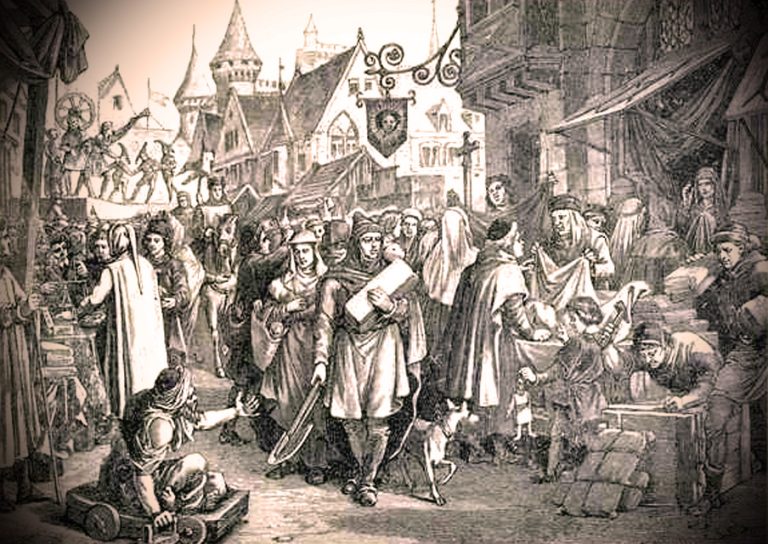
The Birth of Experiential Marketing

The World’s Columbian Exposition, known as the first World’s Fair, is widely regarded as the birthplace of experiential, alternately known as engagement marketing. Held in Chicago over six months in 1893, the Exposition drew more than 150,000 visitors per day and introduced audiences to a dazzling combination of innovation, entertainment, and brand engagement. Beyond reshaping Chicago’s architectural identity through its grand neo-classical buildings—many illuminated in white light, earning the nickname “White City”—the fair unveiled groundbreaking technologies such as sewing machines, washing machines, fax machines, egg incubators, and even the electric chair.
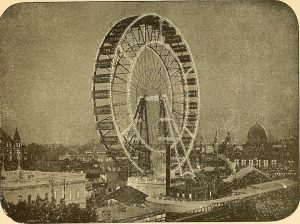 The novelty of White City was soon overshadowed by the attractions and spectacles of the midway, with its newly-invented Ferris Wheel, forcing exhibitors in White City to compete more aggressively for attention. In response, brands began using live demonstrations, product sampling, and face-to-face interactions to captivate attendees. Companies distributed samples of newly popular products including Shredded Wheat, Cracker Jack, Juicy Fruit gum, and Pabst Blue Ribbon beer, creating memorable sensory experiences that thrilled consumers. In many ways, this marked the birth of immersive brand marketing.
Experiential Marketing on Wheels
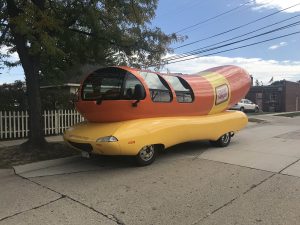 The next major evolution in experiential marketing arrived on wheels, as companies began taking their brands directly to the public through mobile campaigns. The iconic Budweiser Clydesdales debuted in 1933 to celebrate the repeal of Prohibition, followed by the equally recognizable Oscar Mayer Wienermobile in 1936. Decades later, both vehicular attractions still promote their original brands. In 2022, Oscar Mayer briefly attempted to rename the vehicle the “Frankmobile,” but public backlash quickly prompted a return to the beloved original name.
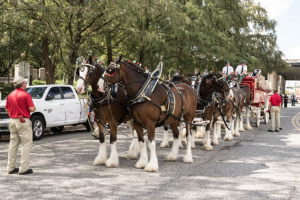 Today, the Budweiser Clydesdale Superbowl Commercials (examples: 2006, 2013, 2026) are an eagerly-awaited feature of each year’s Super Bowl lineup.
As marketers refined these strategies, businesses discovered that direct interaction with a product was often far more persuasive than even the most sophisticated advertisements or sales pitches. Brands increasingly sought to engage all five senses, recognizing that immersive experiences created stronger emotional connections and longer-lasting impressions. The rise of the internet accelerated this shift, opening entirely new avenues for interactive consumer engagement.
The growth of experiential marketing also paralleled the rise of video games and interactive entertainment. Research consistently demonstrated that participation deepened emotional investment, and video games—with their immersive worlds, social interaction, and reward-driven mechanics—became an influential model for the gamification of brand experiences. Consumers no longer wanted to simply observe marketing; they wanted to participate in it.
 By the 1990s and early 2000s, trade shows and conferences began embracing experiential marketing on a much broader scale. Emerging technologies such as interactive kiosks, digital displays, and early web integrations transformed brand exhibits into dynamic environments designed to entertain, educate, and engage. These experiences emerged partly in response to the declining effectiveness of traditional mass media channels like newspapers, television, and radio.
Unlike traditional advertising, experiential marketing allowed brands not only to communicate with audiences, but also to learn from them. Companies could collect valuable attendee data while consumers explored personalized content and interacted with products on their own terms. Tracking these engagements provided brands with unprecedented insight into consumer behavior, preferences, and purchasing motivations—creating value for both businesses and audiences alike.
In response, corporate sponsorships of sporting events, concerts, festivals, and touring experiences expanded dramatically. Brands began integrating experiential activations into multi-city campaigns, pop-up installations, mobile tours, custom-built environments, and live-event programming. Over time, this growing industry popularized the term “activation,” which became synonymous with immersive consumer engagement.
The emergence of social media enriched experiential marketing even further. Influencers and content creators transformed live brand experiences into digital marvels, giving online audiences a virtual front-row seat to campaigns happening in real time. A single activation could now reach not only the people physically present, but millions more through shared photos, videos, and livestreams.
Today, the power of immersive experiences and trusted influencer endorsements continues to shape modern marketing across conferences, trade shows, festivals, sporting events, and countless other live environments. Never before have marketers possessed such a sophisticated and interconnected toolkit for building emotional connections between brands and consumers through experiential marketing.
As technology continues to evolve, audiovisual innovation remains at the center of experiential marketing, transforming ordinary spaces into immersive environments that bring brands to life.

Rocket NFL Super Bowl Activation
– Photo by Preston Saunders
– Article by Carol White Llewellyn of CommuniVision Studio, LLC
Don’t miss our articles on:
- The Surprising Early History of Trade Shows – Part I
- The Rise of Trade Shows from the 20th Century to the Present – Part II
Resources for further exploration
Experiential Events: 14 Innovative Ideas to Inspire You | Cvent Blog
The Rise of Experiential Marketing: Engaging All 5 Senses | Longline
Experiential Marketing History
Brand Activation History: From Sampling Booths to Million-Dollar Campaigns
The Evolution of Experiential Marketing | Food Truck Promotions
What Really Happened at the World’s Columbian Exposition of 1893?
Recent Case Study of Cheshire’s Involvement in an Experiential Activation